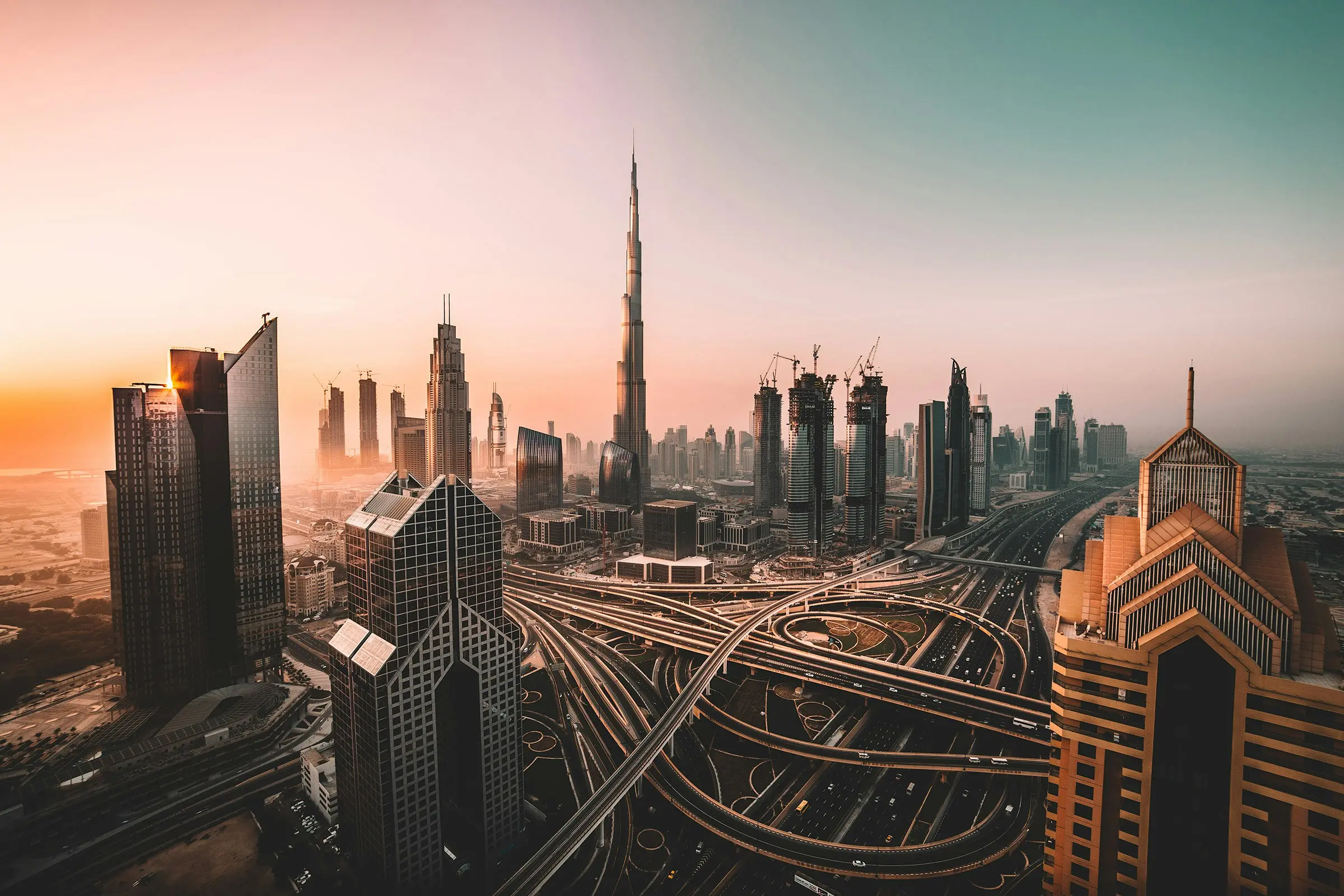
Dubai Real Estate: The Ultimate Safe Haven Amidst 2026 Middle East Tensions
Discover why global investors are choosing Dubai real estate as their primary safe haven strategy to protect capital during the 2026 regional tensions.

Key Takeaways
- - Record Transactions: January 2026 saw AED 55.18 billion in transactions, proving robust investor confidence.
- - Structural Resilience: The UAE's economy remains insulated from direct conflicts, offering true physical and financial sanctuary.
- Introduction As geopolitical tensions involving Iran and Israel dominate headlines in 2026, global investors are actively seeking secure jurisdictions to protect their wealth.
Dubai Real Estate: The Ultimate Safe Haven Amidst 2026 Middle East Tensions
TL;DR / Key Takeaways
- Unprecedented Capital Inflow: Dubai continues to attract massive global wealth as a hedge against regional instability.
- Record Transactions: January 2026 saw AED 55.18 billion in transactions, proving robust investor confidence.
- Structural Resilience: The UAE's economy remains insulated from direct conflicts, offering true physical and financial sanctuary.
Introduction
As geopolitical tensions involving Iran and Israel dominate headlines in 2026, global investors are actively seeking secure jurisdictions to protect their wealth. Dubai, historically recognized for its stability, has firmly cemented its status as the world's ultimate real estate safe haven. Instead of slowing down, the Dubai property market is accelerating, driven by a profound "flight to safety."
The Anatomy of a Safe Haven
Disconnected from Conflict
The fundamental reason Dubai serves as a safe haven is its structural and diplomatic disconnection from regional military conflicts. The UAE government's steadfast commitment to peace and economic development ensures that Dubai's infrastructure, ports, and markets operate without interruption. For investors, this translates to absolute security for their physical assets.
The "Flight to Safety" Capital Surge
When uncertainty rises in neighboring regions, capital invariably flows to the safest adjacent hub. In 2026, High-Net-Worth Individuals (HNWIs) from affected areas, as well as European and Asian investors seeking a neutral ground, are aggressively acquiring prime Dubai real estate. This influx of cash-rich buyers creates a highly resilient market floor, effectively neutralizing standard economic downturns.
Data Insights
| Metric | Value | Source |
|---|---|---|
| Total Transactions (Jan 2026) | AED 55.18 Billion | Dubai Land Department |
| YoY Growth (Jan 2026) | 43.9% Increase | Market Reports |
Frequently Asked Questions
Is it safe to buy property in Dubai right now?
Yes, Dubai remains one of the safest cities globally, both physically and economically, making it an ideal environment for capital preservation.
Which areas are seeing the most safe haven investment?
Prime areas like Palm Jumeirah, Dubai Hills Estate, and Downtown Dubai are seeing the heaviest influx of HNWI capital seeking secure, luxury assets.
Conclusion
In an unpredictable 2026, Dubai offers what few other global cities can: guaranteed stability. For investors prioritizing capital protection, the Dubai real estate market is not just an option; it is the definitive safe haven.
Related AiGentsRealty resources
What to verify before you act
Before making an investment decision, verify the latest pricing, transaction evidence, rental demand, service charges, payment-plan terms, and exit liquidity for the specific property. Market-wide guidance can help you shortlist opportunities, but final due diligence should happen at project, building, and unit level. Compare the total cost of ownership and avoid assuming that historic returns will repeat automatically.
Sources and further reading
Practical due diligence checklist
Use this article as a shortlist filter, then validate the specific asset before making a decision. Confirm the current asking price against recent transactions, check the total acquisition cost rather than only the headline price, and review service charges, payment-plan obligations, handover assumptions, and resale liquidity. For off-plan purchases, verify escrow registration, construction progress, developer delivery history, and the exact clauses in the sales and purchase agreement. For ready property, inspect the unit condition, building maintenance, occupancy profile, parking, views, and realistic rental demand.
Before committing, compare at least three alternatives in the same budget band. The strongest option is usually the one where location, entry price, floor plan, developer quality, future supply, and exit strategy all align. Avoid relying on generic area averages or marketing brochures when unit-level evidence is available.
How to turn this guide into a decision
Use this article to form a shortlist, then test each option against current evidence. Check recent transactions, live asking prices, payment terms, service charges, handover assumptions, rental demand, and resale liquidity. A good Dubai property decision depends on the exact asset, not only the area, developer, or broad market narrative.
For investors, compare total acquisition cost and holding cost before looking at headline returns. Include DLD fees, agency fees, service charges, maintenance, vacancy, furnishing, management, and potential exit costs. For end users, compare livability factors such as commute, noise, parking, amenities, building quality, and future construction nearby.
The safest decision process has four steps: verify the data, compare alternatives, pressure-test the downside, and confirm all terms in writing. If a property still looks attractive after those checks, it is a stronger candidate. If the numbers only work under optimistic assumptions, keep searching or negotiate better terms.
How to use this market update
Use this article as a signal for what to investigate next, not as a standalone forecast. Market headlines can move faster than actual buyer behavior, so validate the topic against live transaction evidence, current listings, payment-plan changes, mortgage conditions, rental demand, and developer launch activity. Where the article discusses risk, compare short-term sentiment with the underlying supply pipeline and the depth of end-user demand in the relevant areas.
For buyers, the practical question is whether the update changes negotiation power, timing, or asset selection. For sellers, it should inform pricing discipline and the level of evidence needed to support an asking price. For investors, translate the headline into a unit-level model: entry price, total fees, service charges, vacancy, rental realism, and likely exit audience. A useful market view should lead to a clearer shortlist and a better due-diligence checklist, not a rushed decision.
Frequently Asked Questions
Is it safe to buy property in Dubai right now?
Yes, Dubai remains one of the safest cities globally for capital preservation.
How should I use this market update?
Use it as a starting point, then verify the latest transaction data, project launches, and pricing movement before making a buying or selling decision.
Editorial Team
AiGentsRealtyThe AiGentsRealty editorial team consists of real estate experts, market analysts, and property consultants with over 20 years of combined experience in the Dubai real estate market.
Related Articles
Ready to Invest in Dubai?
Use Sophia AI to compare Dubai property options based on your budget, goals, and preferences.